
Legal
U P D A T E: Chandler Moore Wins Court Victory: Federal Judge Allows Solo Music Release Amid Maverick City Legal Battle
“My dream hasn’t changed. I’m stepping into this next phase ready to share my story and make music that helps people feel a little more human, a little more understood, and a little less alone


Gospel Newsroom | Powered by iPraiseRadio.com
Grammy-winning artist cleared to release “God I’m Just Grateful” while landmark lawsuit continues
In a significant legal victory for Grammy-winning worship artist Chandler Moore, U.S. District Judge Sarah E. Geraghty ruled on February 5, 2026, that Moore can release solo music while his contentious legal dispute with Maverick City Music and TRIBL Records continues in federal court.
The ruling specifically allowed Moore to release his solo single “God I’m Just Grateful” on February 6, 2026, rejecting TRIBL Records’ emergency request to block the release.
The Backstory: A Shocking Departure and Explosive Allegations
The legal drama began unfolding in early October 2025 when Moore, a founding member of the acclaimed worship collective Maverick City Music, filed a bombshell lawsuit in Atlanta federal court on October 1, 2025.
Just five days later, on October 6, 2025, Moore publicly announced his departure from the group he helped establish in 2018, stating on Instagram: “These last two years I’ve been locked in on what really matters…in my life and my career”.

The 30-year-old artist’s lawsuit names several defendants, including:
- Norman Gyamfi (Moore’s former manager and current Maverick City Music CEO)
- Maverick City Music, Inc.
- TRIBL Records
- Insignia Holding Company and related entities
The Allegations: Fraud, Forgery, and Millions in Missing Royalties
According to the lawsuit, Moore alleges that Gyamfi, who served as his personal manager from 2020 to 2023 before becoming Maverick City’s CEO, systematically abused his position of trust.
The complaint details several serious allegations:
Forged Signatures: Moore claims Gyamfi electronically forged his signature on a critical publishing agreement dated January 11, 2022, with Sony Music Entertainment, which transferred Moore’s publishing rights to The Orchard (a Sony entity) and granted Maverick City Music power of attorney over his work.
Diverted Royalties: The lawsuit alleges that in 2022, Gyamfi instructed Essential Music Publishing (Sony’s Christian music division) to redirect all of Moore’s songwriting royalties directly to Maverick City Music instead of to Moore personally.
Secret Ownership Deals: Moore claims he introduced Gyamfi to Maverick City Music in 2020, unaware that Gyamfi was secretly negotiating to become a co-owner of the collective behind his back.
Unpaid Royalties: According to a 2024 production deal, Moore agreed to deliver an album, 40 tour dates, and 12 new compositions in exchange for $1.75 million in advances and a 15% ownership stake in Maverick City Music. Moore claims he fulfilled his obligations but never received accurate royalty statements or full payment, with more than $800,000 allegedly withheld.
Master Recordings Sale: The lawsuit also alleges that Gyamfi sold Maverick City Music’s masters to Sony Music without Moore’s knowledge or consent.
Moore’s attorney, Sam Lipshie of Bradley Arant law firm, stated: “We are fully committed to helping Chandler recover what is rightfully his and assist him in moving forward freely to continue building the even-brighter, impactful career that lies ahead for him”.
Maverick City’s Response: Strong Denials and Counterclaims
Maverick City Music and its leadership have vehemently denied the allegations. Co-founder Jonathan Jay released a forceful statement on Instagram declaring: “To be clear: the claims being made against me, against Norman, and against our companies are categorically false. These aren’t misunderstandings. These are calculated attempts to strong-arm a way out of agreements Chandler made freely and later breached”.
Jay described Maverick City’s business dealings with Moore as “forthright, generous, and above reproach,” adding that the organization “acted in good faith” and “consistently extended grace”.
In their legal response, Maverick City filed counterclaims alleging that Moore failed to fulfill his contractual obligations and violated the contract’s morality clause, claiming that “Maverick City was repeatedly informed Moore had affairs or engaged in extramarital sexual acts and Maverick City suffered reputational damages as a result”.
The Recent Court Ruling: A Win for Creative Freedom
The February 5, 2026, hearing before Judge Geraghty centered on TRIBL Records’ emergency motion to prevent Moore from releasing new music.
TRIBL argued that Moore had not fulfilled his contractual commitment to deliver 10 songs to the label. However, Judge Geraghty found the matter unclear, noting that while Moore recorded 11 songs in 2024, only eight were ultimately included on his album “Chandler Moore: Live in Los Angeles”.
During the Thursday Zoom hearing, Judge Geraghty stated: “I find that TRIBL has not shown at this early stage that the imminent release of ‘God I’m Just Grateful’ would breach the contract. I simply don’t think that the case is quite as simple as TRIBL would make it”.
The judge emphasized that to win an injunction, a party must demonstrate they are “more likely than not to succeed on the merits” — a threshold TRIBL failed to meet given the uncertainties surrounding the case.
Judge Geraghty cautioned that her decision could change as the case progresses and “certainly swing the other way going forward depending on what the evidence shows.” She urged both parties to engage in settlement discussions.
Following the ruling, Moore’s attorney Chad Elder told Billboard: “Chandler Moore is grateful for the court’s ruling, which denied the defendants’ efforts to prevent him from doing what he loves, providing for his family, and inspiring others”.
Additional Legal Complications: RICO Allegations
The Maverick City legal saga has expanded beyond Moore’s lawsuit. Tony Brown, another co-founder of Maverick City Music, filed his own lawsuit in 2024 alleging that Gyamfi and Insignia failed to complete promised buyout payments from a 2023 deal.
Brown later added explosive racketeering claims under Georgia’s RICO (Racketeer Influenced and Corrupt Organizations) Act, alleging he was coerced into an unfavorable buyout agreement through threats of “character assassination” and financial ruin.
Maverick City has countersued Brown, claiming he violated a non-compete clause by launching a new Christian music project called “God Aura”.
What Happens Next?
As of mid-February 2026, the legal battle remains far from resolved. Here’s what lies ahead:
Ongoing Litigation: The civil fraud case between Moore and Maverick City/TRIBL continues in Atlanta federal court, with both sides filing motions and counterclaims.
Discovery Process: Both parties will engage in the discovery phase, where evidence, documents, and depositions will be exchanged to build their respective cases.
Potential Settlement: Judge Geraghty has encouraged the parties to pursue settlement discussions, though no indication exists that either side is willing to compromise at this stage.
Moore’s Solo Career: With legal clearance secured, Moore is actively moving forward with independent musical projects. While no official release dates beyond “God I’m Just Grateful” have been announced, the ruling removes a significant barrier to his creative work.
Additional Hearings: Court filings show continued activity in the case through February 2026, with multiple motions pending before Judge Geraghty.
Parallel Cases: The separate lawsuits involving Tony Brown and the RICO allegations will proceed independently but could impact the broader legal landscape surrounding Maverick City Music.
Industry Impact and Broader Implications
This legal dispute has sent shockwaves through the Christian and gospel music community, raising critical questions about artist rights, management ethics, and financial transparency in the faith-based music industry.
The case has also prompted discussions about:
- The power dynamics between artists and management in Christian music
- The importance of independent legal counsel for artists entering contracts
- The need for greater financial accountability in gospel music collectives
Notably, fellow Maverick City founding member Naomi Raine also announced her departure from the group on the same day as Moore, though she did not file legal action.
Moving Forward
For Moore, the February court ruling represents more than just a legal victory — it’s a vindication of his right to continue his calling as a worship leader and artist. In his October 2025 departure statement, Moore wrote: “My dream hasn’t changed. I’m stepping into this next phase ready to share my story and make music that helps people feel a little more human, a little more understood, and a little less alone”.
As the legal proceedings continue through 2026, the Christian music community watches closely, hoping for a resolution that brings justice, healing, and clarity to all parties involved.
Gospel Newsroom will continue to monitor this developing story and provide updates as they become available.
For more gospel music news and updates, visit iPraiseRadio.com
About Chandler Moore: A five-time Grammy Award winner, Chandler Moore was a founding member of Maverick City Music (established 2018) and is known for worship hits including “Jireh” and “Promises.” He currently serves as a worship leader at Church of The Nations in Texas.
About Maverick City Music: Founded in 2018, the Atlanta-based worship collective has won five Grammy Awards and revolutionized contemporary Christian worship music with its collaborative, diverse approach to songwriting and performance.






Legal
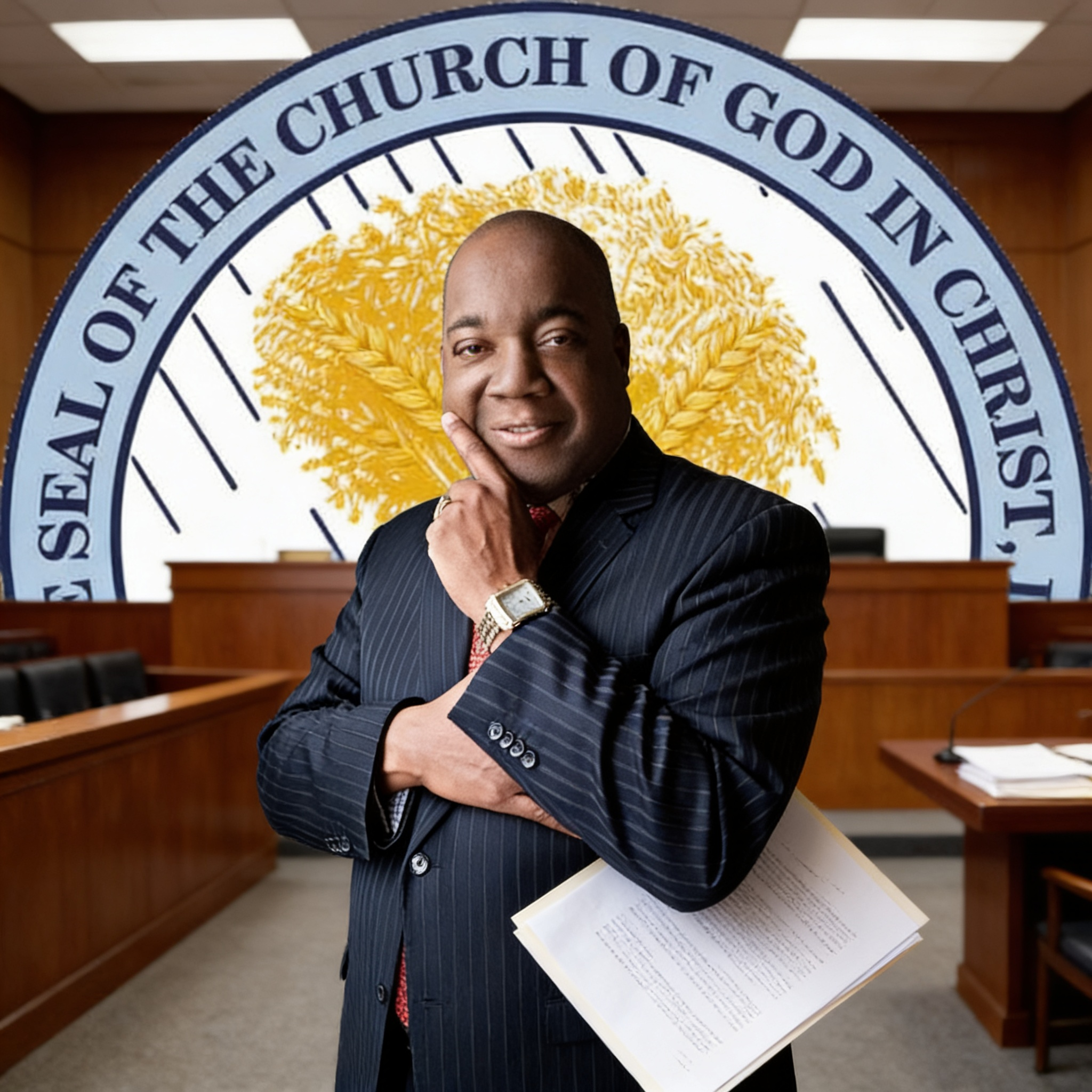
Judge Rules in COGIC vs. Moses Tyson, Jr. Defamation Case: What You Need to Know
Western District of Tennessee granted a preliminary injunction against Tyson
By iPraiseRadio.com Staff Powered by @GospelNewsroom on YouTube
A federal judge has issued a significant ruling in the ongoing legal battle between the Church of God in Christ (COGIC) and gospel musician Moses Tyson, Jr., ordering the artist to halt what the court described as a campaign of defamatory statements against the denomination and its leadership.
The ruling marks a major development in a case that has captured the attention of the gospel community, centering on allegations of fraud, theft, and misconduct that have played out publicly on social media and online platforms.
The Judge’s Ruling
On Monday, February 2, 2026, U.S. District Judge Mark Norris of the Western District of Tennessee granted a preliminary injunction against Tyson . The order prohibits him from “publishing, broadcasting, or disseminating any further defamatory statements” about COGIC, specifically barring him from repeating accusations of “thieves,” “grand theft,” “elder abuse,” and “fraud”
.
In his decision, Judge Norris stated that the court found “no evidence” to support Tyson’s claims and noted that his actions likely met the standard of “actual malice”—meaning the statements were made with knowledge that they were false or with reckless disregard for the truth +1.
The court’s order does not prevent Tyson from engaging in legitimate theological debate or criticism but is specifically aimed at stopping the spread of “demonstrably false allegations” that have caused reputational and financial harm to the church .

How Did We Get Here?
The dispute began in August 2025, when Tyson—a well-known organist and former COGIC member—started making serious public accusations against the church and its leadership, including Presiding Bishop J. Drew Sheard .
Through a series of YouTube interviews, podcasts, and mass emails, Tyson alleged that church leaders had “ripped off” over $600,000, illegally seized church properties, and removed pastors without cause . He also accused leadership of “elder abuse” and “grand theft”
.
In response, COGIC filed a $500,000 defamation lawsuit in October 2025, arguing that Tyson’s “reckless falsehoods” were damaging the church’s reputation and had even led to a decline in charitable giving +1. The church’s legal team emphasized that while they respect free speech, “it is not a license to knowingly spread false accusations”
.
What’s Next?
The preliminary injunction will remain in effect as the lawsuit moves forward in federal court . This means Tyson is legally barred from repeating the specific allegations in question while the case proceeds toward a final resolution or trial.
COGIC’s Presiding Bishop Sheard expressed relief at the ruling, stating, “This case has had a negative impact on our denomination, and I’m grateful that the judge saw the need to provide this injunction” .
Tyson’s legal team has indicated that he stands by his actions, though he has not yet filed a formal response to the emergency motion that led to this week’s ruling +1.
For more in-depth coverage and analysis of this story, be sure to check out @GospelNewsroom on YouTube.


BROKEN TRUST, STOLEN MILLIONS, AND A FIGHT FOR JUSTICE: By iPraiseRadio.com Staff | Powered by @gospelnewsroom on YouTube
Atlanta, GA – In one of the most stunning legal battles ever to rock the Christian music industry, Grammy-winning worship leader Chandler Moore has filed a federal lawsuit against his former manager and Maverick City Music CEO Norman Gyamfi, alleging fraud, forgery, and the theft of millions of dollars in royalties. The bombshell case, filed just days before Moore’s public departure from the groundbreaking worship collective, has sent shockwaves through gospel music and raised serious questions about exploitation, trust, and accountability in the industry.
The Lawsuit: A 33-Page Indictment
On October 1, 2025, Moore’s legal team filed a civil fraud complaint in the U.S. District Court for the Northern District of Georgia (Case No. 1:25-cv-05635) that reads less like a standard business dispute and more like an exposé of alleged systematic financial exploitation.
The lawsuit names Norman Gyamfi—who served as Moore’s personal manager before becoming Maverick City Music’s CEO in 2023—along with a web of interconnected business entities including Maverick City Music, TRIBL Records, TRIBL Publishing, Insignia Holding, Insignia Assets, and Maverick City Publishing.
According to the complaint obtained by Billboard and reviewed by multiple outlets, Moore alleges that Gyamfi “abused his power and the trust that Moore bestowed upon him” to orchestrate a years-long scheme of financial manipulation that stripped Moore of millions of dollars in royalties and ownership rights.
“Moore reposed great trust and confidence in and accepted Gyamfi’s guidance in his business and financial decisions,” the lawsuit states. “Gyamfi, however, abused his power and the trust that Moore bestowed upon him”.
The Anatomy of Alleged Betrayal
The lawsuit paints a damning picture of how a trusted manager allegedly exploited his position to systematically siphon money from the artist he was supposed to protect. Here’s how the alleged scheme unfolded, according to court documents:
1. The Secret Sale of Master Recordings (2021)
Moore claims that in 2021, Gyamfi arranged the sale of Maverick City Music’s master recordings to Sony’s distribution arm, The Orchard, without ever disclosing to Moore that Gyamfi himself would earn a commission from the deal.
“Despite the significance of the transaction and Gyamfi’s close relationship with Moore, Moore never received prior notice or disclosure of the Sale of his masters nor information that Gyamfi was profiting from the Sale,” the lawsuit states.
2. The Publishing Rights Redirect
One of the most serious allegations involves Sony Music’s Christian publishing division, Essential Music Publishing. According to the complaint, Gyamfi directed Essential to pay ALL of Moore’s songwriting royalties directly to Maverick City Music instead of to Moore himself.
When Essential Music Publishing requested documentation to support this arrangement, Gyamfi allegedly produced a forged co-publishing agreement that would make the redirect appear legitimate.
3. The Forged Power of Attorney (2022)
Perhaps the most explosive allegation involves a 2022 deal with Sony Music. The lawsuit claims that Gyamfi forged Moore’s electronic signature on a publishing agreement that:
- Assigned 50% of Moore’s rights to Maverick City Music
- Granted the company “irrevocable power of attorney” to act on Moore’s behalf
This alleged forgery effectively gave Gyamfi and his companies control over Moore’s creative catalog without Moore’s knowledge or consent.
4. The Withheld Royalties
According to the lawsuit, in 2024 Moore entered into a production deal with TRIBL Records in which he agreed to deliver an album, 40 tour dates, and 12 new compositions in exchange for $1.75 million in advances and a 15% ownership stake in Maverick City Music.
Moore claims he fulfilled every obligation under this agreement—releasing new music and completing a tour—but Gyamfi and his business partners allegedly withheld more than $800,000 in royalties that were contractually due to him.
“Defendants’ greed, exploitation and misappropriation of Moore’s assets and intellectual property have deprived Plaintiffs of their contractually owed royalties, assets, monies and ownership interests,” the complaint declares.
5. The Web of Alter Ego Entities
The lawsuit alleges that Gyamfi created and operated a network of interconnected business entities—all essentially controlled by him—that functioned as “corporate alter egos” designed to funnel Moore’s money into Gyamfi’s pockets.
These entities include:
- Insignia Holding Co.
- Insignia Assets
- TRIBL Publishing
- TRIBL Records
- Maverick City Music
- Maverick City Publishing
According to Moore’s legal team, this web of businesses allowed Gyamfi to keep all aspects of the business—management, touring, publishing, and creative works—in-house, maximizing his profit while minimizing Moore’s.
The Legal Claims: What Moore Is Seeking
Moore’s lawsuit brings multiple civil claims against Gyamfi and the named entities, including:
- Breach of Contract
- Fraud
- Forgery and Conversion
- Unjust Enrichment
- Self-Dealing
- Misappropriation of Assets
The complaint seeks:
- Financial damages (amount to be determined by jury)
- A court order voiding all of Moore’s contracts with Maverick City Music
- Full accounting of all royalties withheld
- Compensatory and punitive damages
Moore’s attorney, Sam Lipshie of the law firm Bradley Arant, released a statement emphasizing the severity of the allegations: “Like many talented creators and performers, Chandler has faced situations where his trust and talent were taken advantage of in various ways. We are fully committed to helping Chandler recover what is rightfully his, resolve outstanding legal matters and assist him in moving forward freely to continue building the even-brighter impactful career that lies ahead for him”.
The Painful Public Departure
Five days after filing the lawsuit—on Monday, October 6, 2025—Moore made his departure from Maverick City Music official with an Instagram post that was notably silent about the legal battle brewing behind the scenes.
“These last two years I’ve been locked in on what really matters…in my life and my career,” Moore wrote. “It’s been scary at times, but it’s also been full of fresh vision and real excitement about the future. With that, I’ve made the bittersweet decision to end my relationship with Maverick City Music”.
He continued: “When we started Mav, I was grateful to have community and belonging while fulfilling my dream of making music that would help people experience God. And we did that…in ways I couldn’t have imagined”.
“My dream hasn’t changed,” Moore affirmed. “I’m stepping into this next phase ready to share my story and make music that helps people feel a little more human, a little more understood, and a little less alone”.
Notably, fellow Maverick City member Naomi Raine also announced her departure on the same day, though she is not involved in Moore’s lawsuit.
Maverick City Fires Back: “Categorically False”
Two days after Moore’s public announcement, Maverick City Music co-founder Jonathan Jay released a lengthy Instagram statement fiercely denying all allegations and characterizing Moore’s claims as a calculated attempt to escape contractual obligations.
“To be clear: the claims being made against me, against Norman and against our companies are categorically false,” Jay wrote. “These aren’t misunderstandings. These are calculated attempts to strong-arm a way out of agreements Chandler made freely and later breached”.
Jay characterized Maverick City’s business dealings with Moore as “forthright, generous and above reproach,” insisting they “acted in good faith, gave more than what was required and consistently extended grace”.
“Any allegations of misdeeds are simply not true, and we welcome a full and honest examination, because the truth will speak for itself,” Jay declared.
Jay also took aim at Moore personally, suggesting a pattern of unresolved conflicts: “There’s a pattern of avoided accountability, unresolved conflicts passed off to others, and a history of others being forced to carry the weight of consequences never owned. That pattern ends here”.
Maverick City has characterized Moore’s lawsuit as “wildly untrue”.
The Widening Scandal: RICO and Racketeering Allegations
If Moore’s lawsuit was a bombshell, what came next was a nuclear explosion. On October 20, 2025, Maverick City Music co-founder Tony Brown filed an amended complaint that escalated the allegations to an entirely new level: civil RICO (Racketeer Influenced and Corrupt Organizations Act) charges.
Brown, who had been suing Maverick City since July 2024 over allegations that the company strong-armed him into signing an unfavorable buyout agreement and then failed to make promised installment payments, amended his lawsuit to include racketeering claims.
In his amended complaint, Brown’s attorney Gary Freed explicitly tied the RICO allegations to Moore’s fraud claims: “Upon information and belief, defendants’ pattern of racketeering activity also harmed Chandler Moore”.
Brown’s lawsuit alleges that Gyamfi had justified underpaying Brown by citing sexual harassment claims made against Brown by a former female TRIBL Records executive—claims that Brown vehemently denies and which have not resulted in any lawsuits or public accusations by the alleged victim.
“This isn’t just a church squabble; this is a federal legal conflict that cuts to the core of integrity, money, and control in the multi-million dollar Christian music industry,” noted one industry observer.
An attorney for Gyamfi and Maverick City, Jordan Siev of the firm Reed Smith, dismissed Brown and Moore’s claims as “baseless” and “the surest sign of desperation”.
Where the Case Goes from Here: Legal Analysis
Legal experts following the case say the road ahead will be complex and potentially lengthy. Here’s what could happen next:
Immediate Next Steps
- Service of Process Completed: Court records show that Maverick City Music, Inc. was served on October 16, 2025, with an answer due by November 6, 2025.
- Discovery Phase: Both sides will engage in extensive discovery, including:
- Document production (contracts, emails, financial records)
- Depositions of key witnesses (Moore, Gyamfi, Jonathan Jay, and others)
- Forensic accounting of royalty payments
- Digital forensics to examine the alleged forged signatures
- Expert witness testimony on industry standards and practices
- Potential Motions: Gyamfi’s legal team will likely file motions to dismiss certain claims, arguing:
- That Moore entered into agreements voluntarily
- That any disputes should be resolved through arbitration clauses
- That Moore breached contracts first
- That the RICO claims from Brown’s case don’t apply to Moore’s situation
Key Legal Questions
Several critical legal issues will determine the outcome:
1. Can Moore Prove Forgery?
The electronic signature allegations are central to Moore’s case. If digital forensics can prove Gyamfi forged Moore’s signature on the 2022 Sony deal, it would be devastating to the defense. However, if Gyamfi can show Moore authorized the use of his signature in some capacity, it weakens Moore’s position.
2. What Did Moore Know and When?
Maverick City’s defense appears to hinge on arguing that Moore was aware of and agreed to the business arrangements. They’ll likely produce emails, meeting notes, or other communications showing Moore’s knowledge and consent. Moore will need to prove he was deliberately kept in the dark about key details.
3. Are the Companies Truly “Alter Egos”?
Moore’s claim that Gyamfi’s various entities are merely corporate shells to funnel money requires proving they lack independent legal existence. Corporate records, financial statements, and operational evidence will be crucial.
4. What Do the Actual Contracts Say?
The written agreements between Moore and Maverick City will be examined line by line. If they contain language authorizing the disputed transactions, Moore’s case becomes harder to prove. If they don’t, or if they were modified without Moore’s knowledge, his case strengthens.
Possible Outcomes
Best Case for Moore:
- Court voids all contracts with Maverick City
- Moore recovers millions in damages
- Gains full rights to his catalog
- Sets legal precedent protecting artists from manager exploitation
Best Case for Gyamfi/Maverick City:
- Case dismissed or settled for nuisance value
- Contracts upheld as valid
- Moore remains bound to existing agreements
- Moore potentially faces counterclaims for breach of contract
Most Likely Scenario:
- Case settles before trial (as do most civil disputes)
- Confidential settlement includes payment to Moore
- Mutual release of claims
- Moore’s exit from Maverick City formalized
- Both sides agree not to disparage each other publicly
Timeline Expectations
Civil litigation of this complexity typically takes 12-24 months to reach trial, though settlement negotiations could accelerate resolution. Key milestones to watch:
- Early 2026: Completion of initial discovery
- Mid-2026: Expert witness reports and depositions
- Late 2026: Summary judgment motions
- 2027: Trial date (if case doesn’t settle)
The case is being heard by Judge Sarah E. Geraghty in the Northern District of Georgia.
Chandler Moore Now: Moving Forward Amid the Storm
Despite the legal turmoil, Chandler Moore has not allowed the lawsuit to derail his ministry and music career. In fact, he’s been remarkably active and productive since leaving Maverick City Music.
New Music and Ministry
Just weeks after his departure, Moore released a new solo single on November 7, 2025, demonstrating his commitment to staying musically active throughout the legal battle. The release showed fans that Moore wasn’t going to let the lawsuit silence his artistic voice.
Moore has also continued his collaboration with Elevation Worship, releasing “God I’m Just Grateful” in November 2025. This partnership demonstrates that Moore’s reputation in the worship music community remains strong despite the controversy.
Solo Career Plans
Moore has announced plans for an upcoming solo album, though he’s also made the intriguing statement that this album will be followed by a 10-year hiatus from recording. Whether this planned break is related to the emotional toll of the lawsuit or simply a desire to step back from the industry remains unclear.
In early 2026, Moore expressed gratitude for his journey and optimism about what’s ahead: “2026 is only just starting, and trust me, this is just the beginning. Thank you from the bottom of my heart for believing in the music and in me”.
Ministry Focus
Throughout this difficult season, Moore has maintained his focus on ministry and worship leadership. He continues to lead worship at various churches and events, reminding his followers that his calling to ministry extends beyond any one organization or legal battle.
Moore’s statement about making “music that helps people feel a little more human, a little more understood, and a little less alone” has resonated with fans who see him as more than just an artist caught in a business dispute—they see a minister who has faced betrayal but remains committed to his calling.
Professional Support
Moore’s legal team at Bradley Arant has been vocal about their commitment to seeing him through this battle. Their public statements emphasize not just recovering financial damages, but helping Moore “move forward freely to continue building the even-brighter impactful career that lies ahead for him”.
The Broader Implications: An Industry Reckoning?
The Moore vs. Gyamfi lawsuit has sparked urgent conversations about artist exploitation, industry accountability, and the need for better protections in Christian music.
The Pattern of Exploitation
Supporters of Moore view the lawsuit as a courageous stand against exploitative industry practices that have long plagued the music business—secular and sacred alike. The allegations echo countless stories of artists who trusted managers and executives only to discover years later that they were systematically cheated.
“This is more than just a headline; it’s a critical moment for the entire Gospel and Christian music ecosystem,” noted one industry analyst.
Questions of Accountability
The case raises uncomfortable questions:
- How did alleged misconduct go undetected for years?
- Were there warning signs that others in leadership ignored?
- What systems can the industry put in place to prevent similar situations?
- Should Christian music organizations be held to higher ethical standards?
The Trust Factor
Perhaps most troubling is the erosion of trust. Moore’s lawsuit describes a relationship built on faith and spiritual community that allegedly became a vehicle for financial exploitation. In an industry built on ministry and service to God, such allegations strike at the very heart of gospel music’s integrity.
Reactions from the Gospel Music Community
The Christian music world has been largely quiet about the lawsuit, with many artists and leaders apparently waiting to see how the legal battle unfolds before publicly taking sides. However, private conversations reveal deep concern about the allegations and their potential impact on the industry.
Some have expressed support for Moore, viewing him as a victim of the same predatory practices that have exploited artists for decades. Others caution about rushing to judgment before all facts emerge in court.
What’s clear is that this case has opened a conversation about power, money, and accountability that the Christian music industry can no longer avoid.
What’s at Stake
This lawsuit is about more than just money—though with millions of dollars allegedly at stake, the financial implications are enormous. It’s about:
Trust: Can artists trust their managers and labels?
Integrity: Does the Christian music industry operate by different ethical standards?
Justice: Will the legal system provide accountability when trust is allegedly betrayed?
Legacy: How will this controversy affect Moore’s and Maverick City’s lasting impact on worship music?
For Moore, it’s personal. He trusted Gyamfi not just as a manager but as a brother in ministry. The alleged betrayal cuts deeper than financial loss—it strikes at the heart of what it means to be in community together in Christian music.
For Gyamfi and Maverick City, their reputation and business model are on trial. If Moore’s allegations are proven true, the damage could be catastrophic not just legally but to their standing in the gospel music community.
Conclusion: A Story Still Unfolding
As of early 2026, the Moore vs. Gyamfi lawsuit continues to work its way through federal court. Discovery is underway, legal motions are being filed, and both sides are preparing for what could be a lengthy and contentious battle.
Chandler Moore continues to make music and minister, refusing to let the legal battle define his calling or silence his voice. Norman Gyamfi and Maverick City Music maintain their innocence and vow to fight the allegations vigorously.
The truth will ultimately emerge through the legal process—through documents, depositions, expert testimony, and potentially a jury verdict. Until then, the gospel music world watches and waits, hoping for justice, praying for truth, and mourning the broken trust that brought us to this painful moment.
What began as a dream of “making music that would help people experience God” has become a cautionary tale about trust, power, and the importance of accountability—even (especially) in ministry.
The outcome of this case will reverberate throughout Christian music for years to come, serving either as a warning to artists about the dangers of exploitation or as a reminder of the importance of honor in business agreements. Either way, the gospel music industry will never quite be the same.
Case Information:
- Case Name: Moore et al v. Gyamfi et al
- Case Number: 1:25-cv-05635
- Court: U.S. District Court, Northern District of Georgia
- Judge: Sarah E. Geraghty
- Filed: October 1, 2025
- Plaintiffs: Chandler Moore, MoWorks LLC
- Defendants: Norman Gyamfi, Maverick City Music, TRIBL Records, Insignia Holding Co., Insignia Assets, TRIBL Publishing, Maverick City Publishing
Chandler Moore’s Legal Representation:
Sam Lipshie, Bradley Arant
Maverick City Music’s Legal Representation:
Jordan Siev, Reed Smith; Steven Cooper, Reed Smith
For ongoing coverage of this case and other gospel music news, follow @gospelnewsroom on YouTube and visit iPraiseRadio.com. We will continue to update this story as developments emerge.
#ChandlerMoore #MaverickCityMusic #NormanGyamfi #GospelMusicLawsuit #ChristianMusic #ArtistRights #TRIBLRecords #iPraiseRadio #GospelNewsroom
iPraiseRadio.com Special Report
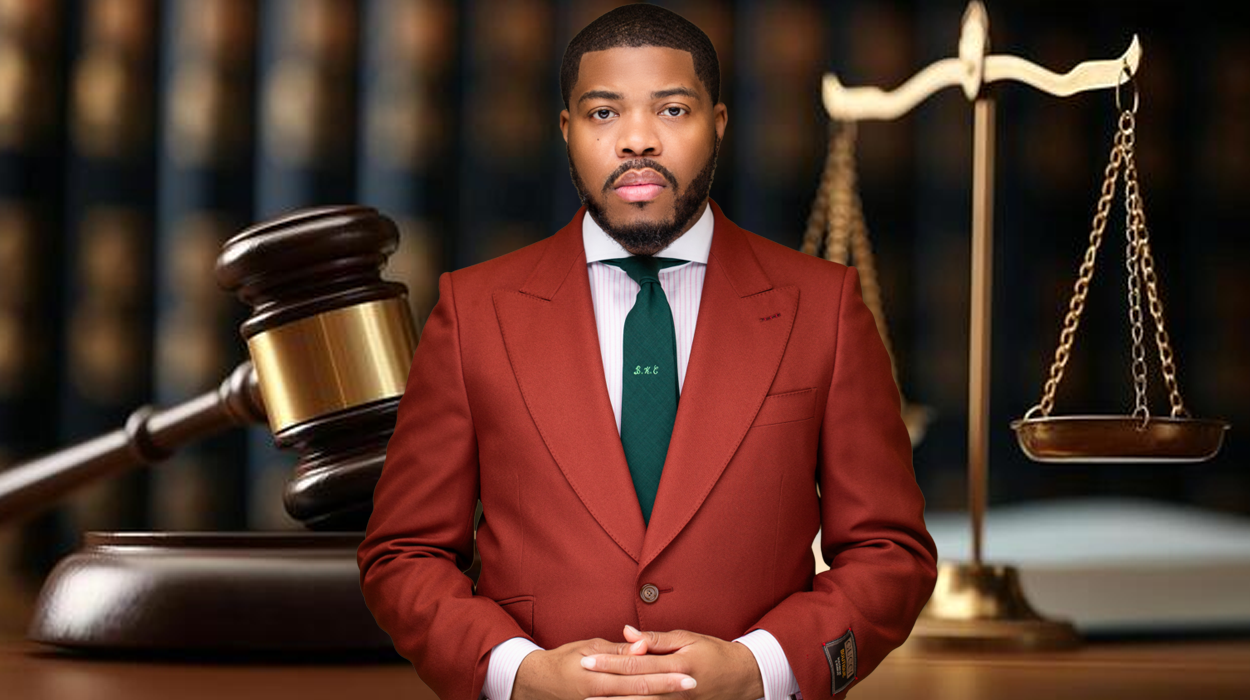
In a case that has sent shockwaves through the faith community, Jacksonville minister Brian Carn, Jr., known to many as “Prophet Brian Carn,” has pleaded guilty to obstructing the Internal Revenue Service’s efforts to collect his tax debts. The announcement was made today by Assistant Attorney General A. Tysen Duva of the Justice Department’s Criminal Division.

The Charges
According to court documents and statements made in court, Carn operated a ministry under various names, including Healing House Ministries, Inc., Brian Carn Ministries, Inc., and Kingdom Culture City Churches. The case involves a sophisticated scheme to deceive the IRS after initially reporting substantial income from his ministry operations.
Timeline of Tax Evasion Scheme
2016: Initial Proper Reporting
In 2016, Carn filed his tax return for the 2015 tax year that properly reported earnings of more than $1.4 million in income. The return showed he owed more than $600,000 in taxes to the IRS. However, he did not pay those taxes.
The Scheme Begins
When the IRS began collection efforts—including placing liens on his properties and attempting to levy his bank accounts—Carn took deliberate steps to obstruct those efforts. A few months after his initial filing, he amended his 2015 tax return and falsely removed nearly $1.3 million in income that he had previously reported.
The Fictitious Employment Agreement
To accomplish this dramatic reduction in reported income, Carn hired a new accountant and provided him with a backdated employment agreement that was completely fictitious. This fabricated document claimed he received only an annual salary of $120,000 and an annual parsonage allowance of $24,000—a fraction of his actual income.
Carn represented to his accountant that this employment agreement reflected all the income he earned for the year. However, he knew this was false. In dealings with third parties on credit applications, financial account openings, and lease applications, Carn acknowledged that the income he actually earned far exceeded the purported salary in the employment agreement he had provided to his accountant.
Pattern of Underreporting Continues
Operating under the premise of the fictitious employment agreement, Carn filed a series of tax returns in subsequent years that drastically underreported his true income. This pattern of deception continued until 2020, when he stopped filing tax returns altogether—despite continuing to earn income and using ministry funds to pay for personal expenses.
Concealing Assets from the IRS
As the IRS attempted to collect the outstanding taxes, Carn made numerous false representations and material omissions to conceal his assets and income from federal investigators. These actions further obstructed the government’s ability to collect the taxes he legitimately owed.
Financial Impact
According to court documents, Carn’s obstruction caused a loss to the United States of between $550,000 and $1,500,000. This represents a significant theft from the American taxpayers and the federal government.
Legal Consequences
Carn now faces a maximum penalty of three years in prison. Sentencing will be scheduled at a later date, and the final sentence will be determined by a federal district court judge who will consider the U.S. Sentencing Guidelines and other statutory factors.
Investigation and Prosecution
IRS Criminal Investigation conducted the investigation into Carn’s activities. The case is being prosecuted by Assistant Deputy Chief David Zisserson and Trial Attorney Max Wilner-Giwerc of the Criminal Division’s Tax Section, with assistance from the U.S. Attorney’s Office for the Middle District of Florida.
Background on Brian Carn, Jr.
Brian Carn, Jr. gained prominence in charismatic Christian circles as a self-proclaimed prophet and minister. His ministry operations, which included Healing House Ministries, Brian Carn Ministries, and Kingdom Culture City Churches, attracted followers and generated substantial income through offerings, speaking engagements, and other ministry-related revenue streams.
The case highlights the financial success Carn achieved through his ministry work—earning well over a million dollars in a single year—while simultaneously revealing the betrayal of that trust through deliberate tax fraud and obstruction.
A Call for Accountability
This case serves as a sobering reminder that religious leaders, like all citizens, are accountable to the law and must fulfill their tax obligations. The Apostle Paul wrote in Romans 13:6-7: “This is also why you pay taxes, for the authorities are God’s servants, who give their full time to governing. Give to everyone what you owe them: If you owe taxes, pay taxes; if revenue, then revenue; if respect, then respect; if honor, then honor.”
Impact on the Faith Community
For many in the faith community who supported Carn’s ministry, this news comes as a deep disappointment. The case underscores the importance of financial transparency and accountability in ministry operations, and the need for church leaders to model integrity in all aspects of their lives—including their financial dealings.
While the legal process will determine the final consequences for Carn’s actions, the spiritual and communal impact of this breach of trust will likely resonate for years to come among those who supported his ministry and believed in his message.
Moving Forward
As this case moves toward sentencing, it serves as an important reminder to ministry leaders and congregations alike about the critical importance of:
- Financial Transparency: Ministries should maintain clear, honest financial records and reporting
- Accountability: Church leaders must be accountable to boards, congregations, and the law
- Stewardship: Those entrusted with ministry funds have a sacred responsibility to handle them with integrity
- Tax Compliance: Religious organizations and their leaders must comply with all applicable tax laws
The Department of Justice has made clear that it will pursue cases of tax fraud and obstruction regardless of the perpetrator’s position or profession, including when those crimes are committed by religious leaders.
Conclusion
The guilty plea entered by Brian Carn, Jr. marks a significant fall for a minister who once held considerable influence in certain faith circles. While the legal process will now determine his sentence, the case stands as a cautionary tale about the dangers of allowing financial success to eclipse moral and legal obligations.
For more information about this case, visit the official Department of Justice website at justice.gov. iPraiseRadio.com will continue to monitor this case and provide updates as they become available.


Beyond the Walls: Bishop Hezekiah Walker Expands Ministry with $80 Million Affordable Housing Development

The 2026 Stellar Gospel Music Awards Are Heading to Charlotte!

Gospel Newsroom Weekly Radio Report: Week of March 9, 2026

Eboni Funderburk’s Journey to Gospel Music Royalty

Jacksonville Minister Brian Carn, Jr. Pleads Guilty to Obstructing IRS Tax Collection

From “This Is How We Do It” to “This Is How We Cure It”: Montell Jordan’s Triumphant Battle Against Prostate Cancer
-
 Business1 month ago
Eboni Funderburk’s Journey to Gospel Music Royalty
-
 Legal2 months ago
Jacksonville Minister Brian Carn, Jr. Pleads Guilty to Obstructing IRS Tax Collection
-
 Praise Report2 months ago
From “This Is How We Do It” to “This Is How We Cure It”: Montell Jordan’s Triumphant Battle Against Prostate Cancer
-

 Entertainment2 months ago
Gospel Music Shines Bright: Tasha Cobbs Leonard and Kirk Franklin Lead 2026 NAACP Image Award Nominations
-

 Music2 months ago
Jonathan Nelson Signs Major Recording Deal with Tyscot Records, New Music Coming Spring 2026
-

 Entertainment2 months ago
Welcome To iPraise Radio
-

 Praise Report2 months ago
From Valley to Victory: Bishop Hezekiah Walker Declares Cancer-Free After Year-Long Battle
-

 Music2 months ago
Gospel Legend Dorinda Clark Cole Recovering